You can prevent koi stress during hot weather by closely monitoring water temperature, keeping it below 80°F using shade structures or aquatic plants to cool the pond naturally. Ensure dissolved oxygen stays above 5 mg/L with proper aeration and avoid overcrowding to reduce metabolic demand. Adjust feeding to smaller, more frequent wheat germ-based meals, stopping if koi lose appetite. Regularly clean filters and perform partial water changes early or late to maintain water quality. Discover detailed strategies to optimize koi health when temperatures rise.
Key Facts Summarized
- Monitor water temperature and dissolved oxygen regularly, keeping temperature below 80°F and oxygen above 5 mg/L to prevent stress.
- Use shade structures or aquatic plants to reduce sunlight exposure and lower pond water temperature by up to 15°F.
- Perform gradual partial water changes with cooler, dechlorinated water during early morning or late evening to minimize thermal shock.
- Adjust feeding to smaller, frequent wheat germ-based meals, reducing or stopping feeding if water exceeds 90°F or koi show low appetite.
- Maintain proper pond stocking density and ensure aeration systems and filters are clean and functioning to support oxygen levels and water quality.
Why Hot Weather Stresses Koi and Impacts Their Health
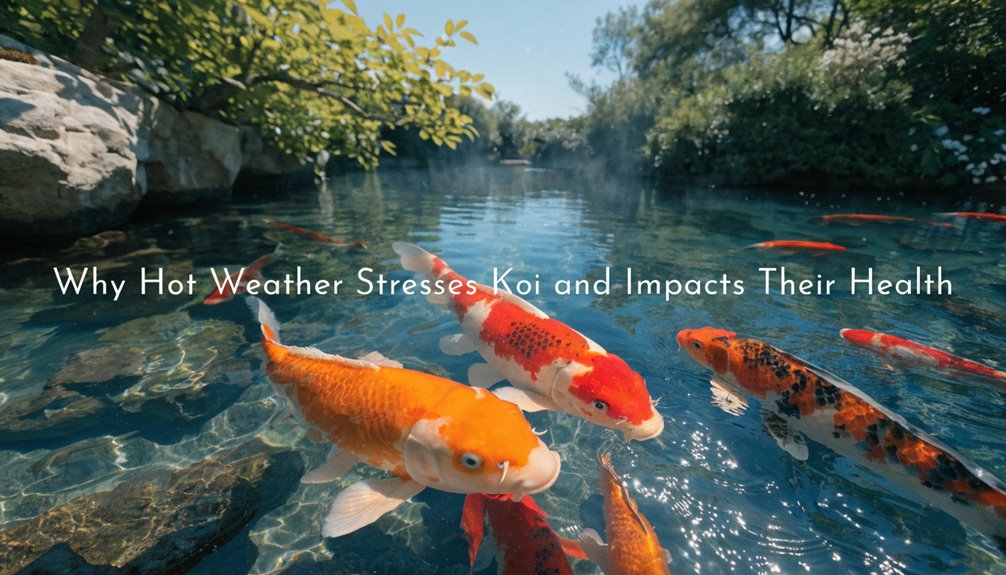
Because koi are cold-blooded fish, they depend entirely on water temperature to regulate their bodily functions, making them vulnerable to stress during hot weather.
When water temperature rises above 25°C (77°F), your koi’s metabolic rate increases, causing them to consume oxygen faster and produce more waste.
Warm water also holds less dissolved oxygen, so your koi must work harder to breathe, leading to respiratory stress.
Prolonged exposure to high temperatures weakens their immune system, increasing susceptibility to diseases and parasites.
Additionally, excessive heat can cause your koi to become lethargic and swim erratically.
In severe cases, these stressors may lead to fish kills.
Understanding common koi diseases helps you manage water conditions to safeguard your koi’s health during hot weather.
Recognizing Early Signs of Heat Stress in Koi
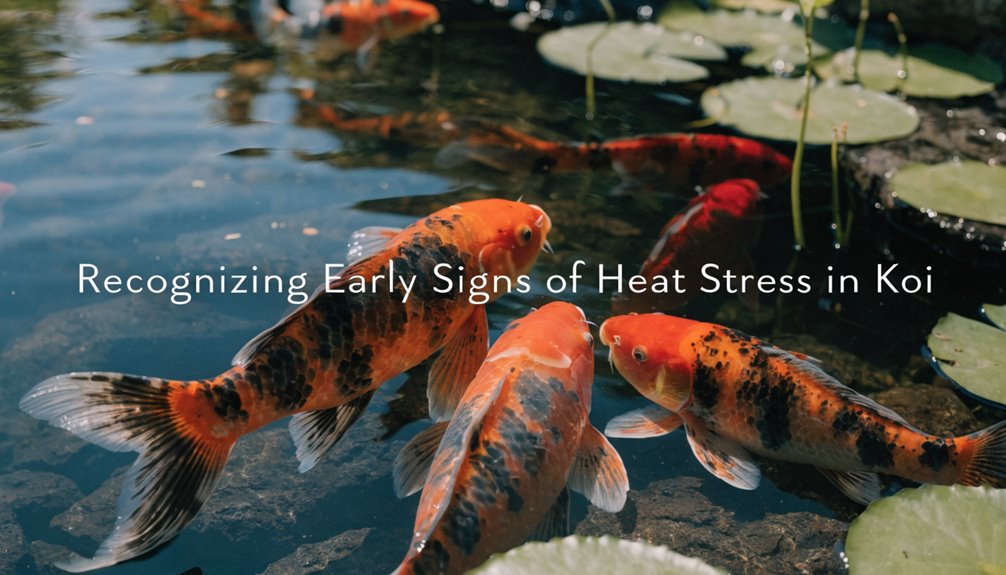
When water temperatures rise, your koi will exhibit specific behaviors that signal heat stress before severe health issues develop. Watch for gasping at the water surface, a clear indication of oxygen deprivation.
Lethargy, sudden darting movements, or fins clamped tightly against the body also reflect thermal stress. Flashing—rubbing against pond objects—often points to irritation from poor water quality compounded by heat.
A sustained decrease in appetite over several days signals that your koi are struggling to cope with elevated temperatures. Additionally, note any discoloration, such as dullness or loss of vibrancy, as this may be an early symptom of heat-induced health deterioration.
To support your koi’s health, maintain ideal water conditions to help them cope with the stress of high temperatures.
Early recognition of these signs allows you to take prompt action to protect your koi’s health during hot weather.
How to Measure Pond Temperature and Oxygen Levels

Although koi can tolerate a range of temperatures, you need to monitor pond water carefully to prevent heat stress. Use a reliable pond thermometer to measure water temperature multiple times daily—morning and late afternoon are ideal.
Aim to keep temperatures below 80°F, especially during heatwaves. Simultaneously, measure dissolved oxygen with a test kit, ensuring levels stay above 5 mg/L.
Observe koi behavior for signs of oxygen depletion, such as surface gasping or clustering near aeration devices. If available, use oxygen meters for more precise readings.
Consistently record temperature and oxygen data to detect trends early. This proactive monitoring allows you to maintain optimal pond conditions and take timely corrective actions, minimizing heat-related stress risks in your koi population. Additionally, ensuring a balanced ecosystem can help maintain oxygen levels during hot weather.
Effects of Low Oxygen on Koi Health During Heatwaves
Monitoring pond temperature and oxygen levels provides valuable insight into your koi’s environment, but understanding how low oxygen directly affects their health during heatwaves is equally important. Warm water holds less dissolved oxygen, and combined with algae blooms and increased koi metabolism, oxygen levels can plummet.
This oxygen depletion forces koi to gasp at the surface and swim erratically. At night, algae respiration further reduces oxygen, risking sudden fish mortality if unmanaged.
Low oxygen impairs your koi’s immune system, increasing vulnerability to diseases during heat stress. To mitigate these effects, maintain high oxygen levels through aeration and water circulation. Regularly monitoring ammonia levels is crucial to prevent additional stress and health issues in your koi.
Consistent oxygenation prevents stress, supports immune function, and enhances survival during prolonged heatwaves, safeguarding your koi’s health under challenging thermal conditions.
Using Shade Structures to Cool Your Koi Pond
How can you effectively lower your koi pond’s temperature during hot weather? Installing shade structures like shade sails or pergolas can reduce water temperature by up to 10°F, creating a cooler environment for your koi.
Use shade cloths with at least 50% shading density to block direct sunlight, preventing water from reaching stressful temperature levels. Proper placement is crucial to avoid disrupting pond aeration and circulation, which maintains optimal oxygen levels essential for koi health.
Overhanging trees also provide natural shade, but ensure they don’t impede water flow. Combining these shade solutions with other cooling methods enhances temperature control, significantly reducing koi stress during heatwaves.
Prioritize balanced coverage to protect your pond while preserving its ecological functions and koi well-being. Additionally, consider evaluating natural drainage patterns to ensure that shade structures do not impede water movement, thus maintaining a healthy ecosystem.
How Aquatic Plants Help Reduce Pond Temperature
Why should you consider incorporating aquatic plants like water lilies and lotus into your koi pond? These plants provide natural shade, reducing surface water temperature by up to 15°F. By absorbing sunlight, they limit algae growth and decrease overall heat absorption in the water.
The shaded zones beneath water lily leaves create cooler refuges for koi, directly lowering localized pond temperatures. Additionally, dense beds of aquatic plants promote evaporation, which further cools the water on hot days.
Incorporating these plants also enhances pond aeration and supports a balanced ecosystem, indirectly maintaining cooler and healthier water conditions. Using aquatic plants strategically can significantly reduce thermal stress on your koi during hot weather, improving their well-being and minimizing the risks associated with elevated pond temperatures.
Improving Pond Aeration for Better Oxygen Circulation
Although elevated temperatures can reduce oxygen levels in your koi pond, you can counteract this by improving aeration to maintain optimal oxygen circulation. Installing high-capacity aeration systems, such as diffusers or large air stones, significantly increases dissolved oxygen, especially in deeper areas prone to depletion.
Running waterfalls and trickle towers continuously enhances surface agitation, promoting efficient gas exchange. For example, an 8000 GPH flow rate in a 1200-gallon pond ensures effective water circulation, preventing oxygen stratification during heat.
Additionally, incorporating floating or submerged aerators directly boosts oxygen levels. To maintain consistent oxygen delivery, perform regular maintenance and cleaning of all aeration equipment.
Managing Koi Pond Water Quality and Toxins in Summer
Optimizing aeration lays the foundation for maintaining water quality, but controlling toxins and chemical imbalances is equally important during hot weather. Elevated temperatures accelerate ammonia toxicity and destabilize pH, so you must monitor these parameters daily.
To effectively manage water quality and toxins, focus on three critical actions:
- Perform partial water changes of 10-20% regularly to dilute accumulated toxins and maintain optimal chemical balance.
- Clean and rinse pond filters and media frequently to prevent harmful buildup and ensure efficient filtration performance.
- Remove excess algae and organic debris promptly, as algae consume oxygen at night and can release toxins that stress koi.
Adjusting Koi Feeding Habits During Hot Weather
When water temperatures rise above 85°F, you need to adjust your koi’s feeding habits to support their digestion and maintain water quality. Switch to wheat germ-based diets, which are easier for koi to digest in warmer water.
Feed smaller amounts more frequently to minimize uneaten food and waste buildup. Always follow the 5-minute feeding rule—offer food only until koi have actively eaten for about five minutes—to avoid overloading your pond’s filtration system.
Once water temperatures reach or exceed 90°F, reduce feeding gradually and cease entirely if necessary, because koi’s metabolic rate slows and appetite diminishes, increasing the risk of overfeeding and water quality issues.
These adjustments help keep your koi healthy and your pond environment stable during hot weather.
Safely Performing Water Changes to Lower Pond Temperature
To lower your pond’s temperature safely, perform regular partial water changes of 10-20% using dechlorinated, cooler water. This approach gradually reduces temperature without shocking your koi.
Follow these guidelines for effective water changes:
- Schedule water changes early morning or late evening when pond temperatures naturally drop, minimizing thermal stress on fish.
- Always match the replacement water temperature closely to the pond’s existing temperature to prevent harmful fluctuations.
- Avoid large, sudden water changes as they can cause rapid temperature swings and stress your koi, compromising their health.
Preventing Algae Blooms That Reduce Koi Pond Oxygen
Although algae blooms might seem harmless, they can drastically reduce oxygen levels in your koi pond, especially at night. Excessive sunlight during hot weather accelerates algae growth, which consumes oxygen and stresses your koi.
To prevent this, reduce sunlight exposure using shade structures or floating plants. Manually remove algae and apply algae-specific treatments to control proliferation.
Maintain continuous aeration with waterfalls or air stones to counteract oxygen depletion caused by blooms.
Monitor nutrient concentrations, particularly phosphates and nitrates, as excess nutrients fuel algae growth. Regular testing and management of these levels promote balanced pond ecology, minimizing algae outbreaks.
Avoiding Overcrowding to Reduce Koi Stress in Summer
Controlling algae blooms helps maintain oxygen levels, but managing your koi population density plays an equally important role in reducing stress during hot weather. Overcrowding limits space for thermoregulation and impairs oxygen circulation, increasing stress and health risks.
To avoid this, you should:
- Maintain a stocking density of 250–500 liters per koi to ensure sufficient space and reduce waste accumulation.
- Monitor ammonia and waste levels closely, as higher temperatures increase their toxicity in crowded conditions.
- Ensure your pond’s capacity matches your koi population, preventing oxygen depletion and promoting stable water quality.
Reducing Koi Activity During Peak Heat Hours
When temperatures peak, koi naturally increase their metabolic rates, which raises oxygen demand and stress levels. To reduce koi activity during these peak heat hours, limit feeding since uneaten food deteriorates water quality and triggers unnecessary movement.
Provide shaded areas using floating plants or shade sails, creating cooler microhabitats where koi can rest and lower metabolic stress. Avoid pond disturbances such as cleaning or maintenance during the hottest periods to prevent additional stress.
Maintain gentle water movement rather than vigorous circulation, as this helps decrease koi activity and conserves oxygen. These measures collectively slow koi metabolism and reduce oxygen consumption, helping maintain water quality and overall fish health during extreme heat conditions.
Implementing them is essential for minimizing heat-induced stress in your koi pond.
Quarantine Practices for New Fish During Heat Stress
Since heat stress compromises koi immune function, quarantining new fish before adding them to your main pond is essential to prevent disease outbreaks. You should hold new koi in a separate, temperature-controlled quarantine tank set to 70-75°F for at least 2-4 weeks. This allows you to monitor their health and treat infections without risking the main pond.
When managing quarantine during heat stress, follow these steps:
- Maintain consistent water temperature in the quarantine tank to reduce additional stress.
- Conduct daily health assessments to detect early signs of parasites or illness.
- Administer prompt treatment if symptoms appear, preventing spread to the main pond.
This method minimizes pathogen transmission and protects your koi during vulnerable hot weather periods.
Maintaining Pond Filtration and Equipment in Summer
Although hot weather accelerates biological processes, it also demands diligent maintenance of your pond’s filtration system and equipment to keep water quality stable.
Regularly clean filter mats, media, and pump components to prevent clogging and maintain optimal water flow. After cleaning, re-inoculate biological filtration with nitrifying bacteria such as PL Gel or Nite Out II to restore beneficial bacteria populations.
Ensure all pumps and aeration devices operate properly and remain free of debris to sustain adequate oxygen circulation.
Perform partial water changes of 10-20% frequently to dilute pollutants and reduce nutrient buildup that impairs filtration efficiency.
Consistently monitor ammonia, nitrite, and pH levels to detect and prevent toxic conditions that stress koi.
This proactive approach maintains a balanced aquatic environment essential for koi well-being during summer.
Daily Monitoring of Koi Behavior for Early Stress Signs
Because koi can exhibit subtle behavioral changes under heat stress, daily observation becomes crucial to detect early warning signs. You need to monitor their behavior meticulously to intervene before stress worsens.
Focus on these three key indicators:
- Gasping at the surface: This suggests low oxygen levels, common during hot weather.
- Activity changes: Watch for lethargy or erratic darting, both signaling discomfort or distress.
- Fin and skin behavior: Clamped fins or rubbing against objects (flashing) often indicate irritation due to poor water quality or heat stress.
Maintain a daily log of these behaviors alongside water temperature readings. This precise record helps you identify early stress patterns, enabling timely adjustments to your pond environment and ensuring your koi’s health during summer’s heat.
Using Natural Products to Support Summer Pond Health
When managing your koi pond during hot weather, incorporating natural products can significantly enhance water quality and fish health. Products like Nualgi Pond Conditioner promote healthy algae growth, which oxygenates the water and supports koi vitality.
Using biological enhancers with beneficial bacteria improves water clarity and reduces harmful toxins, increasing koi resilience to heat stress.
Aquatic plant supplements encourage the growth of shade-providing plants such as water lilies, reducing pond temperature naturally.
Additionally, natural pond conditioners help balance pH levels and prevent toxic ammonia spikes common in elevated temperatures.
Regular application of eco-friendly products maintains beneficial microbial activity, sustaining optimal water conditions and minimizing reliance on chemical treatments.
These measures collectively create a stable, healthy environment that mitigates heat-induced stress on your koi during summer months.
Best Practices for Sustaining a Healthy Koi Pond in Heat
In addition to employing natural products to maintain pond health, consistently applying practical measures is key to sustaining your koi pond during hot weather. To prevent heat stress and maintain optimal conditions, focus on these best practices:
- Monitor water temperature closely with a reliable thermometer, keeping it below 80°F. Use shade sails, plants, or tarps to reduce temperature by 10-15°F.
- Enhance aeration by installing waterfalls, air pumps, or diffusers to maintain dissolved oxygen levels above 6 mg/L, which is crucial for koi metabolism.
- Perform partial water changes daily, replacing 10-20% with dechlorinated, cooler water to dilute toxins and lower temperature gradually.
- Adjust feeding by reducing or stopping it above 85°F to minimize metabolic strain and water quality degradation.
Applying these precise techniques ensures a healthy, stress-free environment for your koi during hot weather.
Frequently Asked Questions
What Temperature Is Too Hot for Koi?
You should consider temperatures above 80°F too hot for koi, as stress increases significantly. Above 86°F, risks of oxygen depletion and health issues rise, and prolonged exposure beyond 90°F can be fatal to your koi.
Why Add Baking Soda to Koi Pond?
Think of baking soda as a buffer shield, stabilizing your pond’s pH. You add it to prevent sudden acid spikes and ammonia toxicity, ensuring a safe, balanced environment that protects your koi during heat-induced stress.
How Do Koi Avoid Heat Stress?
Koi avoid heat stress by seeking shaded areas and cooler water layers. They increase oxygen intake through aerated water. You’ll notice reduced activity and feeding to minimize metabolic demand, helping them survive elevated temperatures effectively.
How to Make Koi Less Stressful?
Think of your pond as a finely tuned machine; you’ll make koi less stressful by maintaining stable water parameters, ensuring ample oxygen, providing shade, minimizing disturbances, and avoiding overcrowding—these steps keep their environment balanced and healthy.
Conclusion
To keep your koi thriving during hot weather, you must act like a vigilant guardian, constantly monitoring temperature, oxygen, and behavior. Use shade structures and maintain filtration to create a cool, balanced environment. Early detection of heat stress and prompt intervention prevent serious health issues. By combining precise measurements with natural pond care, you’ll safeguard your koi’s well-being and ensure they swim stress-free even when the sun blazes overhead.